
P.A.I.R – Open Call Results
We are excited to welcome the selected artists from Greece, Cyprus and Estonia to the P.A.I.R. – Paving Accessible Inclusive Realities project!
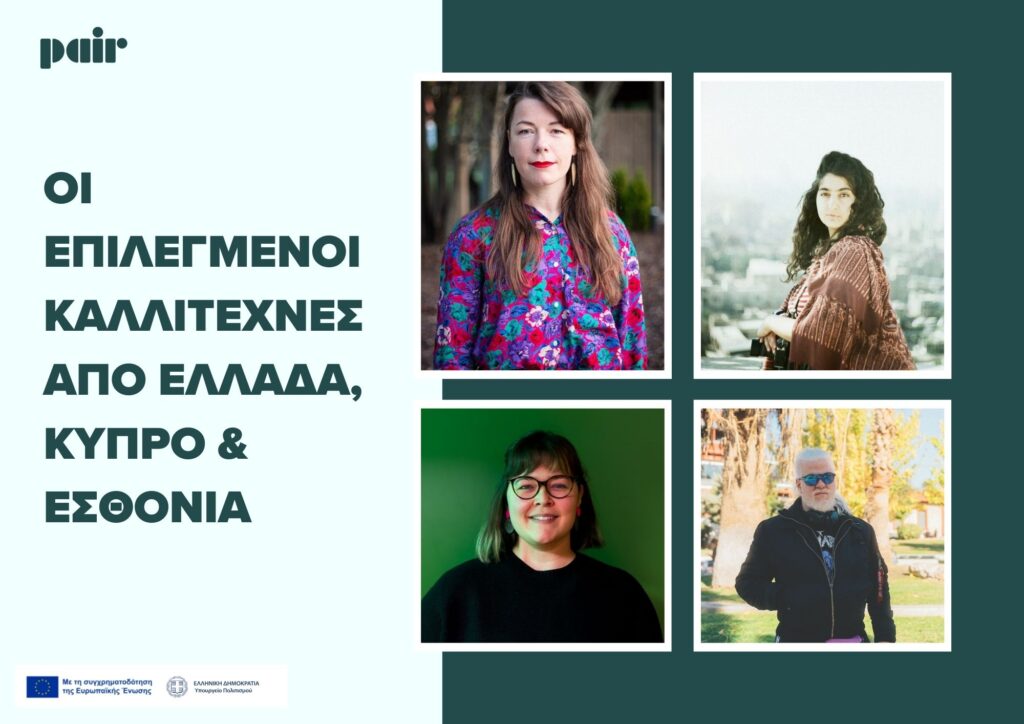
From November 2025 and for two months, liminal, Alternative Brains Rule-ABR and Estonian Agrenska Foundation invited artists from all fields to experiment with accessibility tools and digital media and create accessible works of art.
The selection process was highly competitive, as we received many outstanding proposals. We sincerely thank everyone who applied for the time, thoughtfulness, and dedication they put into their submissions.
Meet the artists
Lykourgos Porfyris
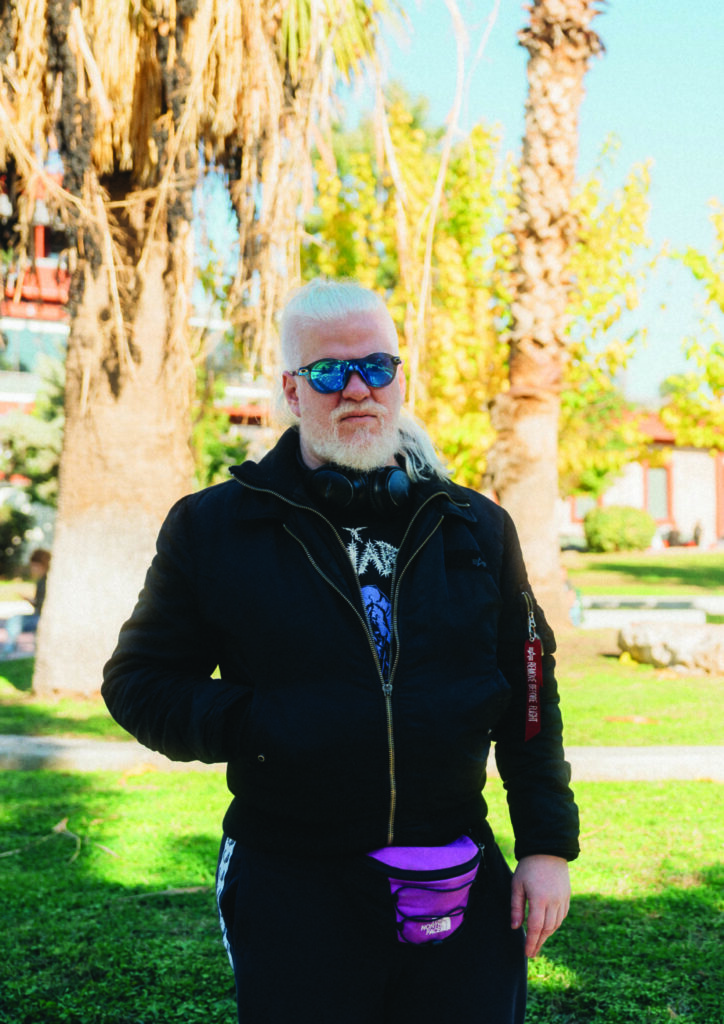
Lykourgos Porfyris is a visual artist, but sometimes acts as a disability/queer activist from Athens, Greece. He currently works between Athens and Oslo. He holds a BA from the Athens School of Fine Arts and an MFA from the Fine Art Department at the Oslo National Academy of the Arts.
Dancefloors:disabled is a sound, video, and light installation consisting of a continuous electronic techno track. The sound is led by dreams of a utopian future dancefloor, voiced by people with disabilities who are involved in dance performance, dance music production, organization, or who are clubbing enthusiasts. Two screens with subtitles and light interpret the rhythm of the music and the voices of the participants.
Nafsika Hadjichristou
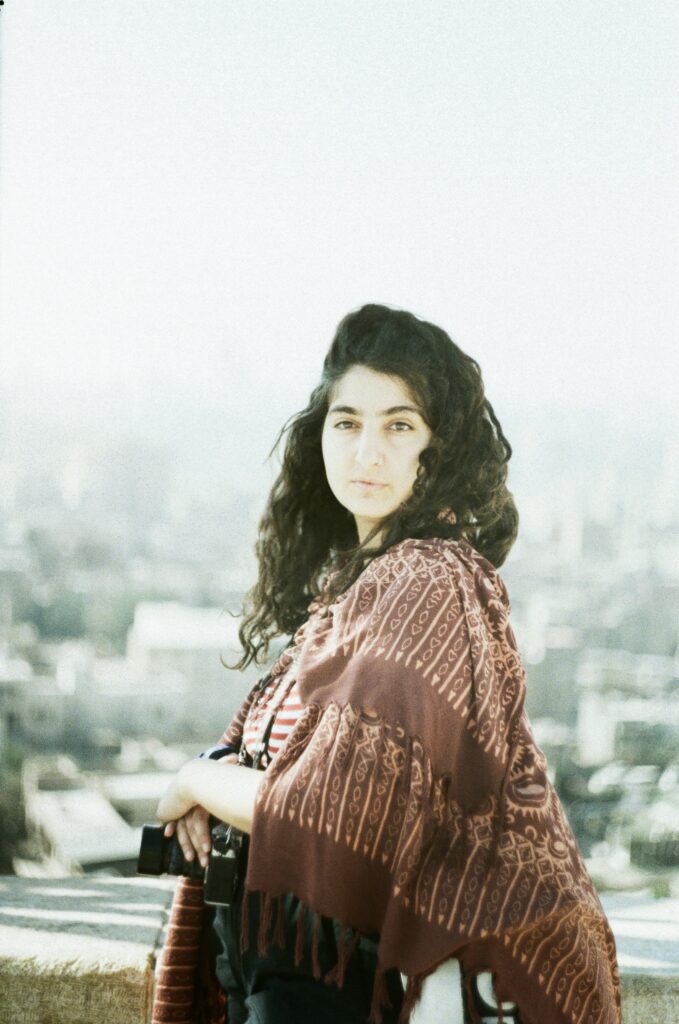
Nafsika Hadjichristou is a visual artist from Cyprus, working across film, photography, and experimental audiovisual forms. With a background in documentary and a deep commitment to collaborative and participatory practice, she has worked locally, as well as in solidarity with communities in Latin America. She is currently an artist-in-residence in MATCH (The Mediterranean as the Climate Hotspot – Creative Europe).
Missed Frequencies (working title) is a short experimental audiovisual piece exploring “Visible Encounters” through a visual and sensory way of perceiving the world shaped by hearing impairment. It celebrates differences in perception and invites audiences to explore how attention, rhythm, and sensory cues shape the way we experience the world through an intimate and multi-sensory experience.
Heleri Luuga and Sara Fontana
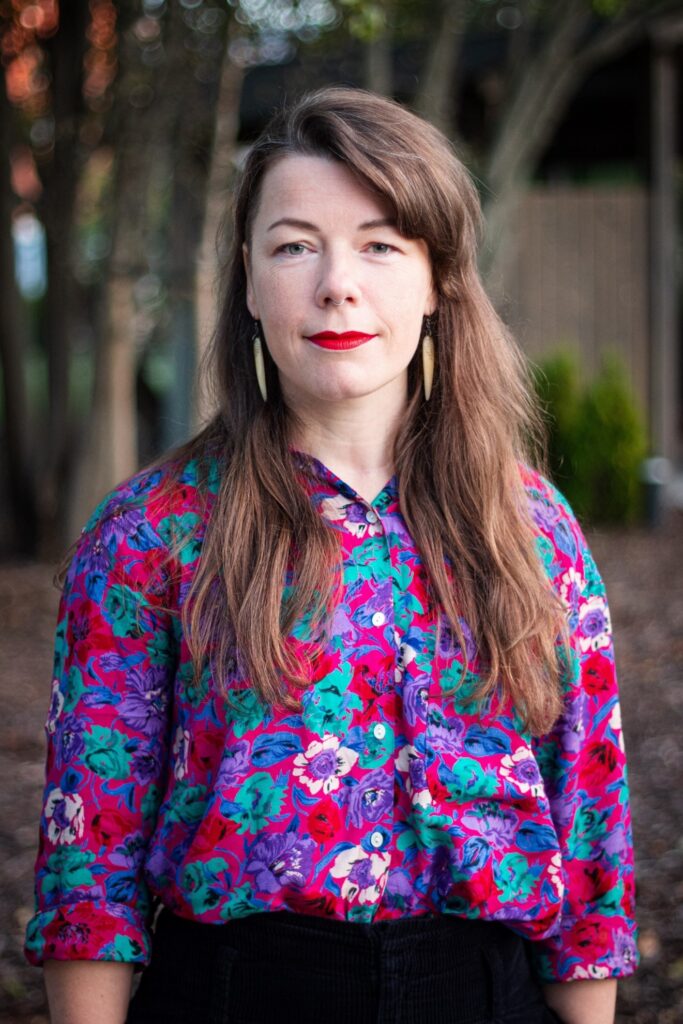
Heleri Luuga, an Estonian disability activist, works to dismantle barriers around who gets to access art. Her background in puppetry as a therapeutic and storytelling method shaped an experience that feels supportive for participants, using objects and making participants “puppeteers” for each other and themselves.
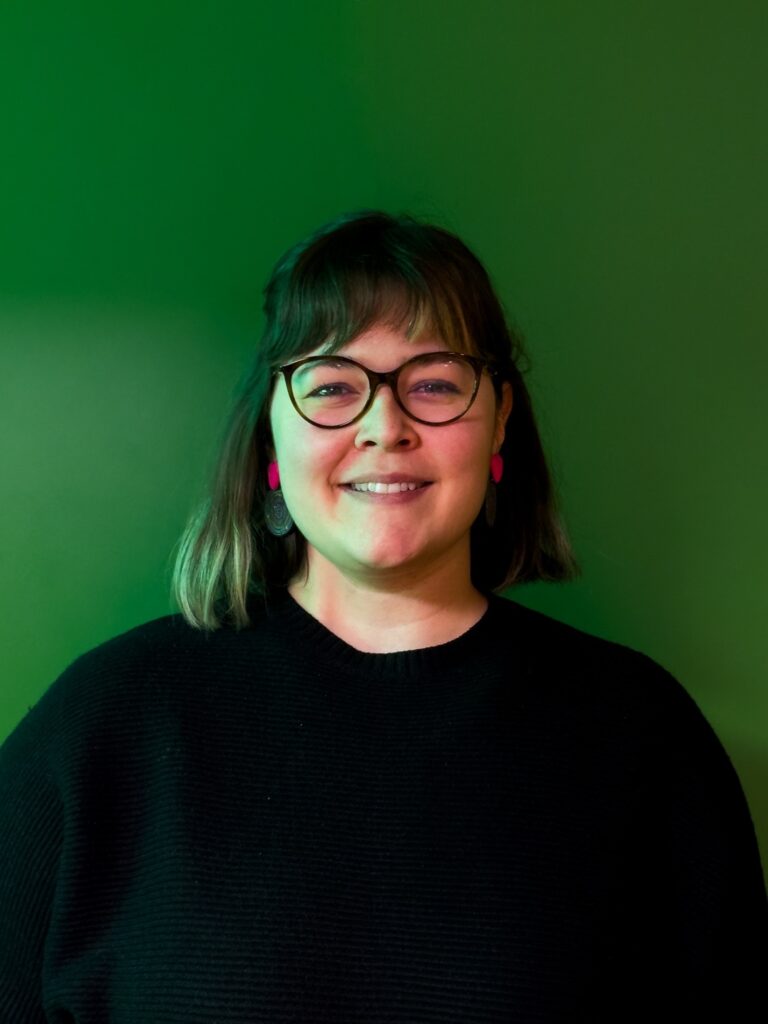
Sara Fontana, a journalist and multidisciplinary creator, brings six years of experience as an actress and cultural producer in Brazil. Her contemporary practice centres on documentary storytelling and social impact, combining artistic and technical expertise in videography, sound, and production.
The Passage is a two-person immersive installation in which strangers move through a shared sensory journey inspired by birth and human connections. The experience transforms separation into connection, inviting two individuals to bridge barriers and interact in different ways. Both artists draw on lived experience with illness or disability – personally and through supporting others, and approach accessibility and inclusion as daily practice.
The next steps
During the project, the artists will receive the necessary tools and technical support from the Collaborative Working Groups to develop their projects centered on the Creative Accessibility Methodology (CAM).
They will co-design the live event where their works will be presented, travel to the partner countries, and participate in the corresponding events in the other locations.
In addition, they will contribute to the development of the Creative Accessibility Methodology Manual. Finally, their works will be showcased in an accessible digital zine and during the project’s final online event.
➡️ To stay up to date on the next stages of the project, follow us on our website and social media, or subscribe to our newsletter.

Co-funded by the European Union. Views and opinions expressed are, however, those of the author(s) only and do not necessarily reflect those of the European Union or the European Education and Culture Executive Agency (EACEA). Neither the European Union nor EACEA can be held responsible for them.
The programme is implemented with the financial support and under the auspices of the Hellenic Ministry of Culture.