
Introducing P.A.I.R.’s Collaborative Working Group
P.A.I.R. is guided by a simple principle: cultural experiences should be shaped together with the people they aim to include. To make this happen, P.A.I.R. has set up Collaborative Working Groups (CWGs) in each partner country: Greece, Cyprus, and Estonia.
The artists selected through the Open Call will have the opportunity to work closely with them throughout the entire creative process.
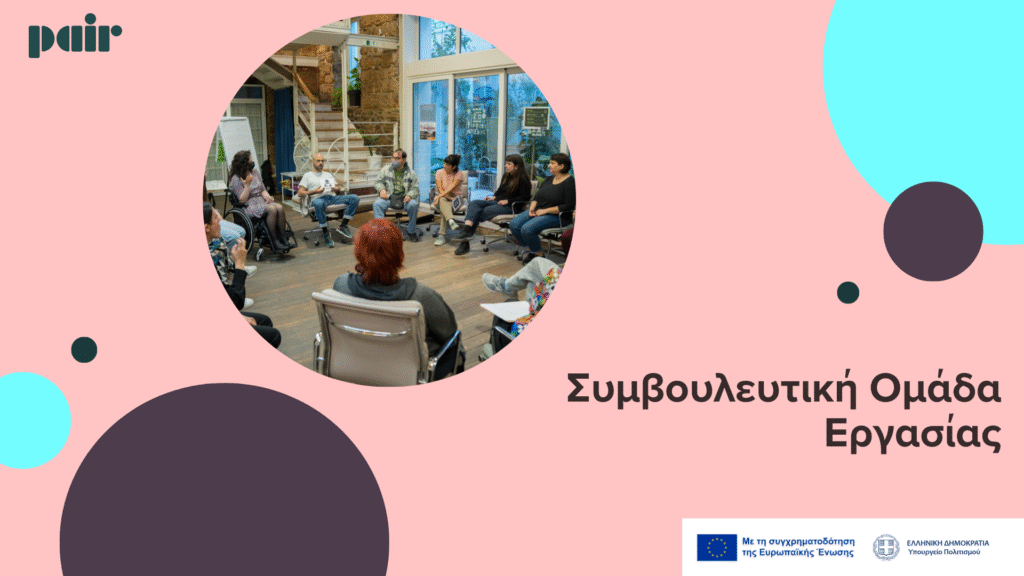
What is a Collaborative Working Group?
Each country’s CWG is based in its local cultural scene and reflects its unique artistic, social, and accessibility needs. The groups bring together:
- Representatives from partner organisations
- Disabled artists and cultural practitioners
- Digital and media artists
- Accessibility experts
- Cultural managers and producers
CWGs combine lived experience, professional expertise, and creativity to connect artistic vision with accessibility and inclusion.
What do CWGs do?
CWGs have a dual role as quality advisors and creative agents. They collaborate closely with selected artists throughout the creation of digital artworks, supporting the development of accessible concepts, translating accessibility principles into creative choices, and reflecting on diverse audience experiences through dialogue, mentoring, and shared experimentation.
At the same time, CWGs work alongside artists and project teams to design and deliver the national events, co-creating inclusive physical and digital spaces and multisensory environments, and making sure accessibility is embedded across communication, infrastructure, and programming.
Our Collaborative Working Group
Nikos Voyiatzis
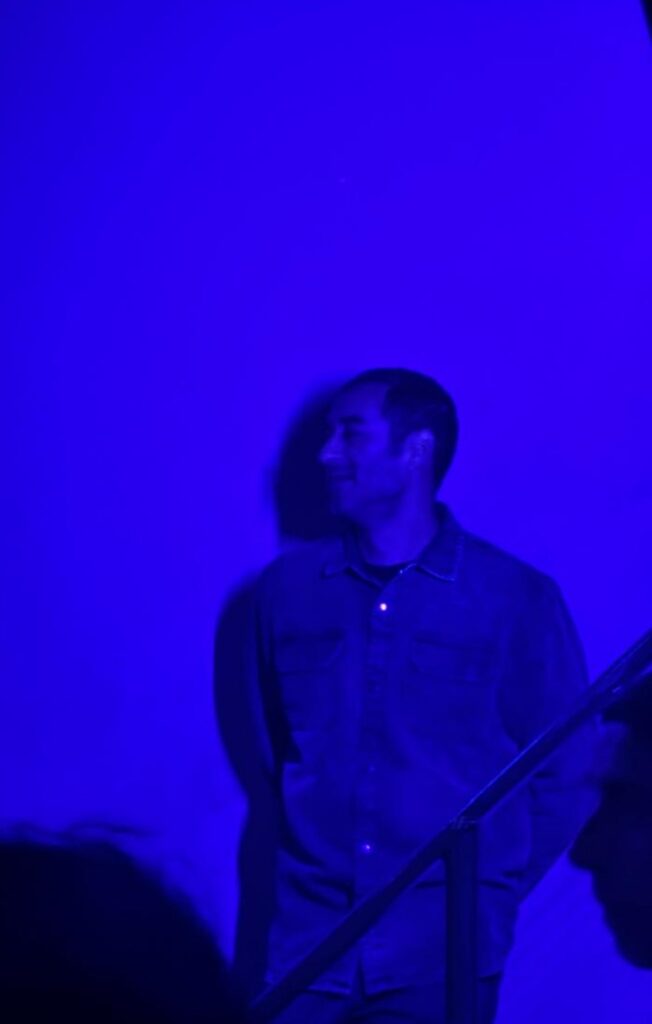
Nikos is an archivist, artist, educator, and media designer working around digital and often neglected cultural heritage. He works as a documentation specialist and designs educational projects for students and professionals in the fields of art, media, technology, and archiving. His practice centers on the preservation, access, and dissemination of digital culture.
Eva Gkritzali
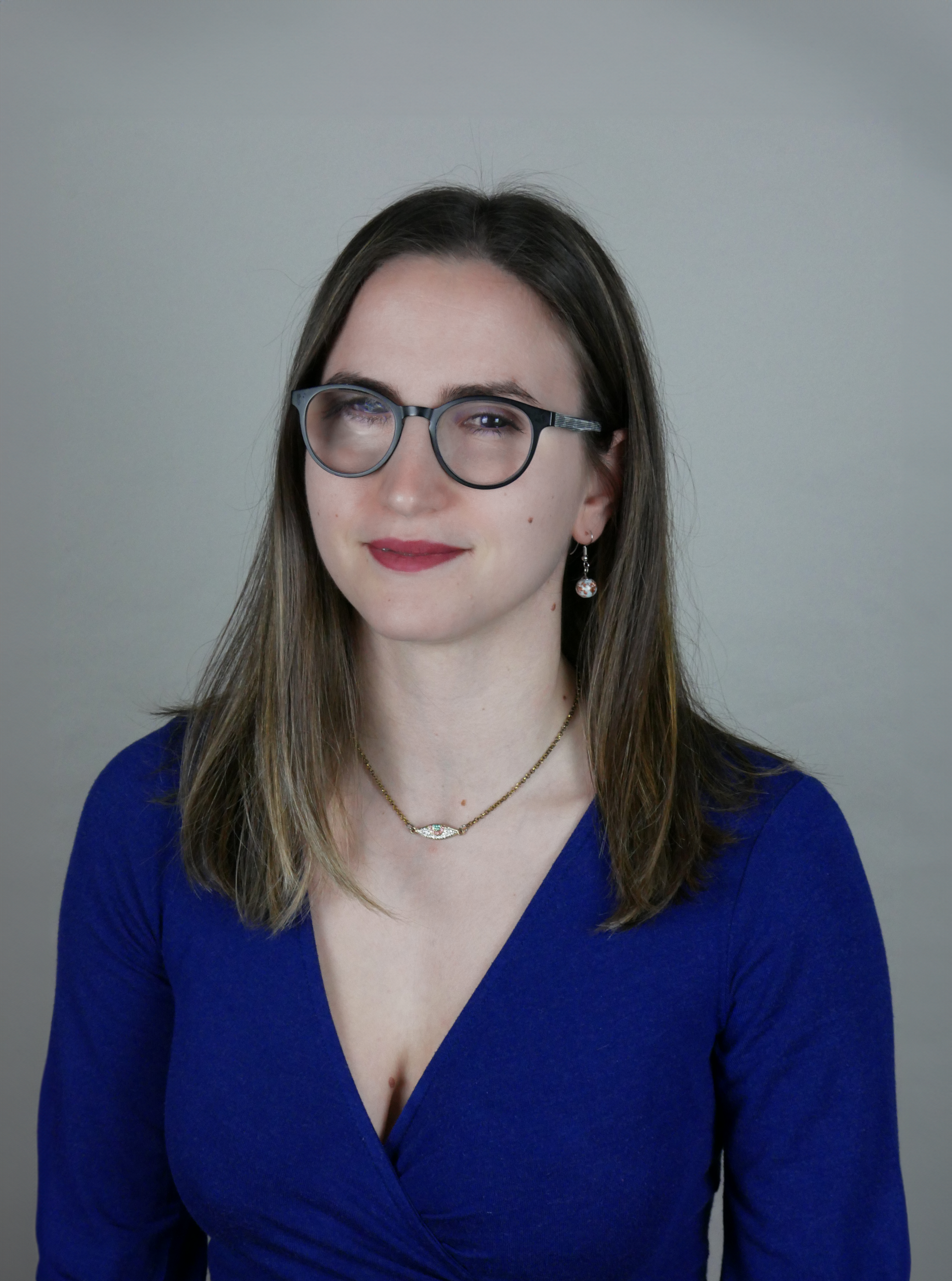
Eva is an Electrical and Computer Engineer specializing in digital accessibility. She has participated in a research project at the Multimedia Analysis Lab of NCSR “Demokritos,” focusing on speech-to-text technologies to support accessible mathematics. For the past two years, she has been working at the National Bank of Greece in the UX field, leading the accessibility efforts for the bank’s digital applications and websites. Her goal is to promote inclusion and design digital experiences that are accessible to everyone.
Thomas Diafas
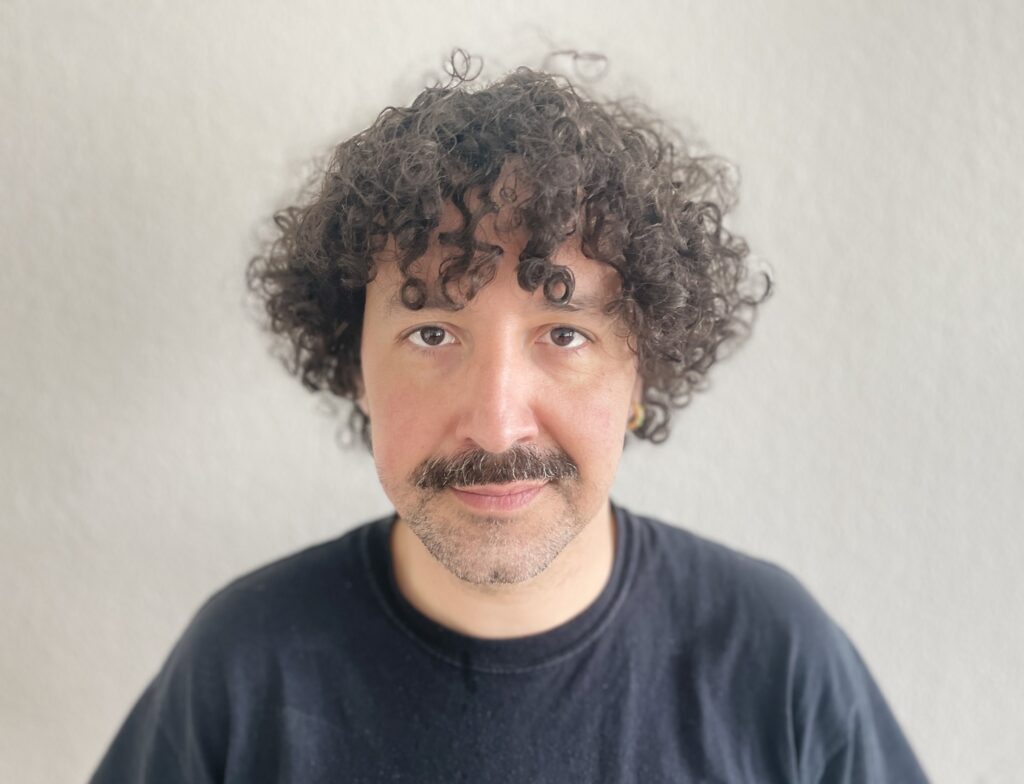
Thomas is an orchestrator of artistic projects working interdisciplinarily, exploring crip queer identity, practices of care, and forms of socio-political engagement. He is the founder and artistic director of the Thessaloniki Queer Arts Festival and the School of Performance Art in Berlin. His work combines participatory actions with pedagogical dimensions, emphasizing collaboration with local communities and the creation of collective experiences.
Maria Thrasyvoulidi
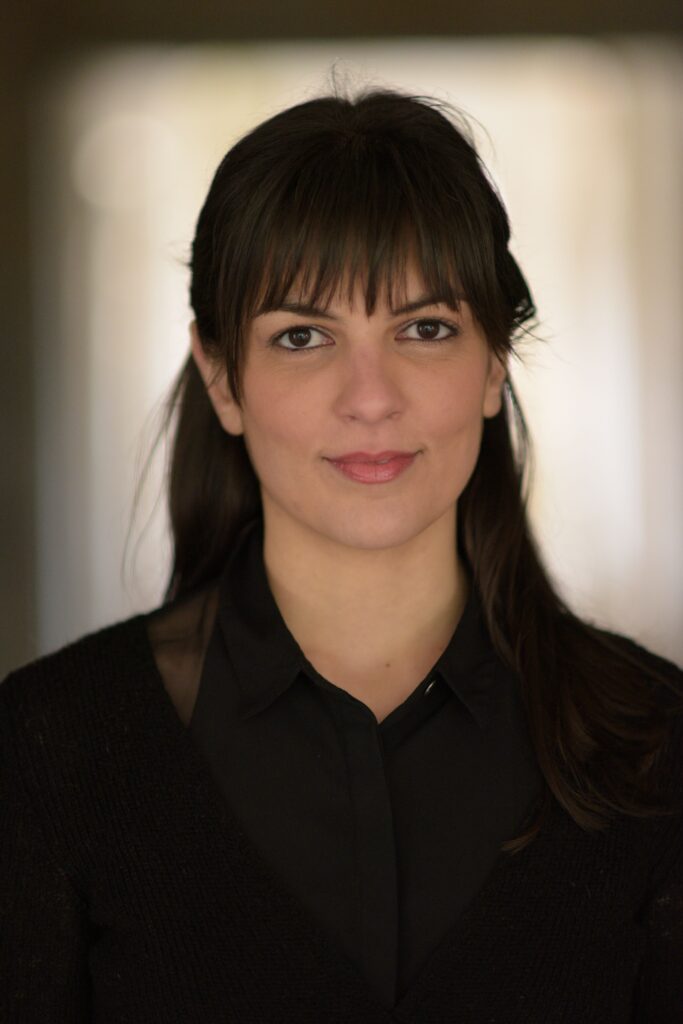
Maria is an Accessibility Services Supervisor at liminal, creating Audio Descriptions and coordinating Touch Tours for people with low vision or blind. She also works in theatre and cinema as an actress and director, and has collaborated with several NGOs as a coordinator of educational programs and trainer in promoting social inclusion.
Andreas Plemmenos
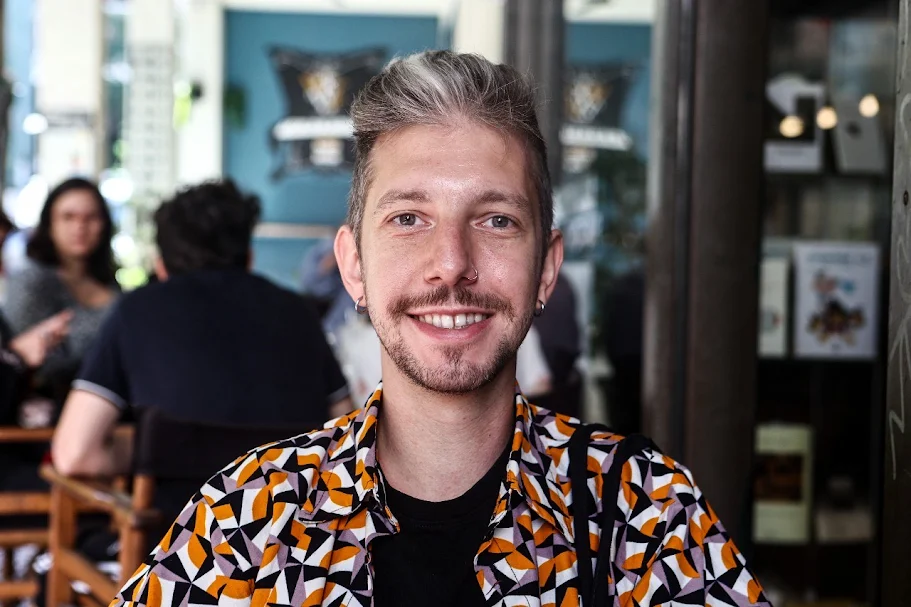
Andreas is a dramatist with a master’s degree in Special Education, Community Liaison at liminal and author of the book “Yellow Insanity”. He has volunteered with various cultural organizations and is actively involved in programs focused on empowering the Deaf community in the arts.
📢 The Open Call is running until January 10.
Co-funded by the European Union. Views and opinions expressed are, however, those of the author(s) only and do not necessarily reflect those of the European Union or the European Education and Culture Executive Agency (EACEA). Neither the European Union nor EACEA can be held responsible for them.
The programme is implemented with the financial support and under the auspices of the Hellenic Ministry of Culture.